Metabolic summary
- Basal metabolic rate (BMR)--
- Activity factor--
- Method used--
- Lean body mass--
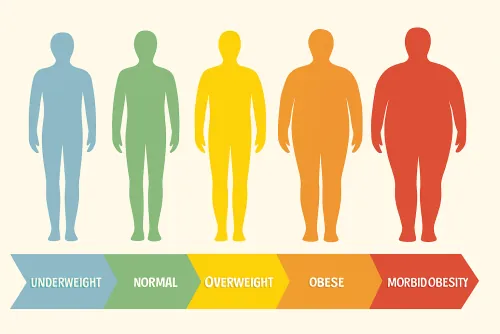
- Estimated BMI--

Calculate your TDEE and maintenance calories from activity level. Includes BMR, deficit/surplus targets, and macro estimates.
Estimate your maintenance calories from basal metabolic rate, activity level, and body composition. Get an orientative plan with calorie targets to lose fat, maintain your weight, or support muscle gain.
Complete the form to calculate your daily calorie expenditure.
Review trends weekly and adjust intake based on progress, energy, and body metrics.
Basal metabolic rate (BMR) is the minimum energy needed to sustain vital functions at rest. We estimate it with Mifflin-St Jeor using your weight, height, age, and sex. If you provide body-fat percentage we switch to Katch-McArdle, which relies on lean mass for a more individualised result.
Multiplying BMR by your activity factor gives total daily energy expenditure (TDEE). This covers spontaneous movement, exercise, and the thermic effect of food. Adjust the estimate based on your history, how you feel, and regular measurements of body weight or girths.
| Level | Factor | Description |
|---|---|---|
| Sedentary | 1.2 | Desk job, <5,000 daily steps, no structured training. |
| Light | 1.375 | 1-3 workouts per week or job with some movement. |
| Moderate | 1.55 | 3-5 workouts mixing strength and cardio. |
| Intense | 1.725 | 6-7 demanding sessions or a physically active job. |
| Very intense | 1.9 | Two-a-day training, competitive sports, or heavy manual labour. |
Tweak the factor if your habits change or if weight trends differ from the estimate.
We gathered the most searched questions on total daily energy expenditure, BMR formulas and maintenance calories so you can fine-tune your nutrition strategy with confidence.
Total daily energy expenditure (TDEE) is the sum of your basal metabolic rate plus the calories burned through activity, workouts and the thermic effect of food. The calculator estimates BMR with Mifflin-St Jeor or Katch-McArdle and multiplies it by the Harris-Benedict activity factor to output maintenance calories.
BMR (or RMR) reflects the energy you would burn lying still. Maintenance calories account for your real lifestyle, including NEAT and training sessions. That is why maintenance intake is always higher than basal expenditure and should guide your deficit or surplus targets.
When body-fat percentage is unknown we rely on the proven Mifflin-St Jeor equation. If you provide your body fat, we switch to Katch-McArdle to leverage fat-free mass, a method favored by strength athletes for more precise calorie planning.
Update your numbers whenever your weight changes by more than 3-5 kg, your activity level shifts (e.g., from sedentary to moderate) or you enter a new training block. Re-running the TDEE calculator keeps your deficit or surplus aligned with reality.
Yes. Aim for a 10-20 % calorie deficit below TDEE to lose fat at a sustainable pace, or a similar surplus to support muscle gain. Monitor weekly averages of body weight and measurements to confirm that the plan matches the expected trend.
Improve this calculator
Send us the example so we can review this calculator and turn real cases into improvements or automated tests.